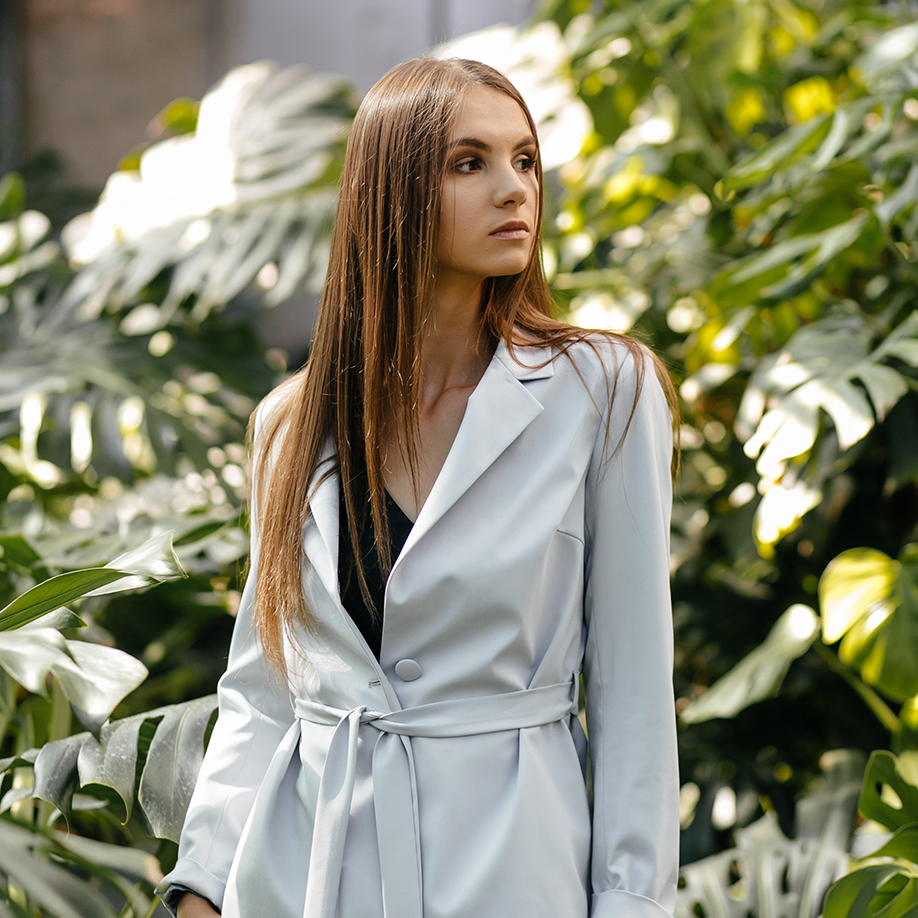
How To Build Better Looks Through Smart Layering
Layering is one of the easiest ways to make an outfit feel more considered, versatile, and visually interesting. It is not simply about adding more clothes; thoughtful layering is about combining different lengths, textures, shapes, and proportions so every element contributes to the overall look. When done well, layering can transform simple wardrobe staples into outfits that feel polished and distinctive.
Whether dressing for changing weather, creating more dimension, or refreshing familiar clothing, a few smart techniques can make layering feel effortless rather than complicated.
Start With A Strong Base
Every layered outfit begins with a comfortable foundation. A simple fitted top, lightweight shirt, relaxed tee, or clean blouse creates the starting point for everything that follows. The base layer should sit comfortably beneath additional clothing without creating unnecessary bulk.
Neutral shades are especially useful because they allow outer layers to stand out, but tonal or contrasting combinations can also create personality. The goal is to choose a foundation that works naturally with the pieces you plan to add.
Play With Different Lengths
One of the simplest ways to make layered outfits more interesting is by combining different lengths. A longer shirt beneath a cropped jacket, a structured overshirt over a shorter top, or a long coat over fitted separates can instantly create dimension.
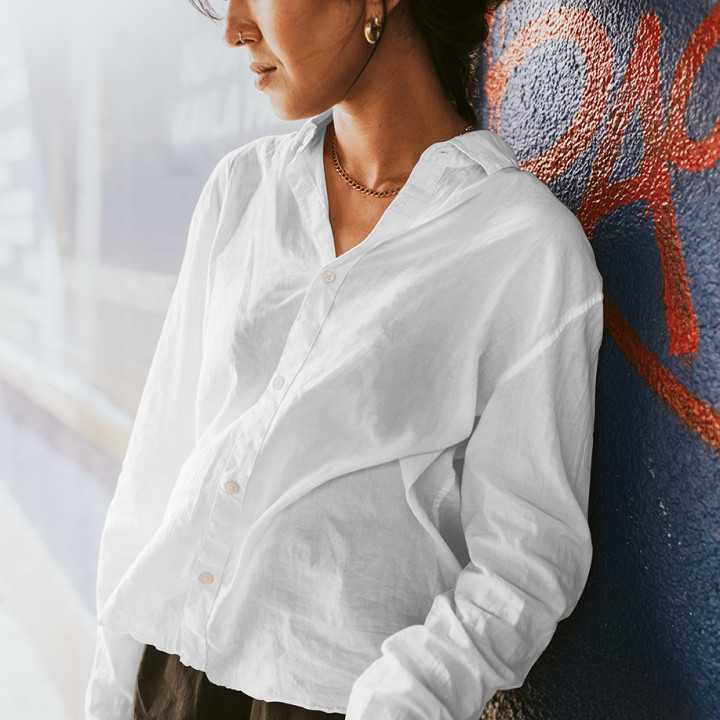
Visible differences between each layer help the outfit feel intentional. When every piece ends at the same point, the look can sometimes appear flat. Allowing hems, collars, sleeves, or textures to remain visible gives each garment its own place within the outfit.
Balance Loose And Structured Shapes
Layering works best when proportions feel balanced. If the base outfit is relaxed, adding a structured jacket can give the overall look more definition. Similarly, a fitted top can work beautifully beneath an oversized shirt, cardigan, or coat.
Avoid combining too many bulky pieces at once. Instead, create contrast between fitted and relaxed shapes. This approach keeps the outfit comfortable while maintaining a clean silhouette.
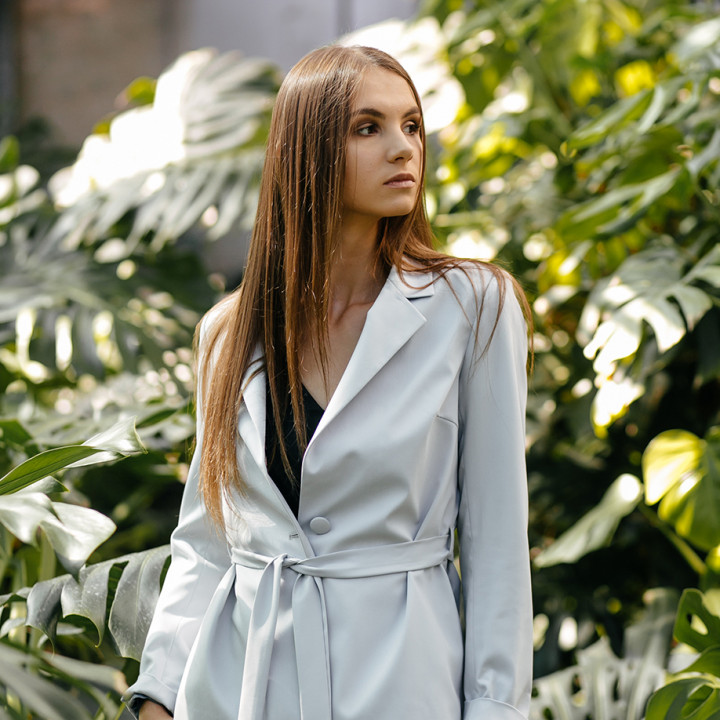
For example, wide-leg trousers paired with a fitted top and tailored outer layer can create balance without making the outfit feel heavy.
Mix Textures For More Depth
Texture can completely change how a layered outfit looks. Combining smooth cotton, soft knitwear, denim, lightweight fabrics, or structured materials creates visual variety even when the colors are simple.
A monochrome outfit becomes more interesting when different textures are introduced. A soft knit over a crisp shirt, for instance, creates contrast without relying on bold patterns or colors.
Texture is especially useful when building understated outfits because it adds character while maintaining a refined appearance.
Use Color With Intention
Layering does not require complicated color combinations. Starting with two or three complementary shades often creates the strongest result.
Tonal dressing is an easy approach. Combine different shades from the same color family to create a coordinated look with subtle depth. Neutral combinations such as beige, cream, brown, grey, black, or navy also provide flexibility.
If you prefer stronger color, allow one layer to become the focal point while keeping the remaining pieces more restrained. This prevents multiple colors from competing for attention.
Let One Layer Stand Out
Every layered outfit benefits from having a clear focal point. It might be a statement jacket, textured cardigan, patterned overshirt, long coat, or distinctive shirt.
Once the main layer is chosen, keep the surrounding pieces simpler. This allows the standout element to shape the outfit while everything else supports it.
A strong focal layer can also help refresh basics you already wear regularly, making familiar combinations feel completely different.
Consider The Weather
Good layering should also be practical. Lightweight layers allow you to adjust your outfit throughout the day without sacrificing style.
During warmer months, breathable shirts, lightweight overshirts, and thin outer layers work well. During cooler weather, knitwear, jackets, and coats can gradually build warmth.
Choosing layers that are easy to remove makes dressing more adaptable, especially when moving between indoor and outdoor environments.
Finish With Proportion
Before completing your outfit, consider how everything looks together rather than focusing on each piece individually. Check whether one layer feels too long, too bulky, or visually disconnected from the rest. Small adjustments can make a noticeable difference. Rolling sleeves, leaving a shirt slightly open, showing part of the base layer, or defining the waist can help create balance.
Smart layering ultimately comes down to thoughtful combinations rather than complicated styling. By working with length, texture, proportion, color, and structure, even simple clothing can create outfits with greater depth and personality. Experimenting with different combinations also allows you to discover new ways to wear pieces already in your wardrobe, making everyday dressing feel more creative, adaptable, and considered.